
Many people assume that if something breaks, insurance will pay for it.
The important distinction is that insurance is designed to cover sudden and unforeseen events. It does not cover gradual deterioration that happens over time.
This means insurers do not compensate for normal wear and tear. Understanding this difference can help prevent disappointment when a claim is submitted.
What Is Considered Wear and Tear?
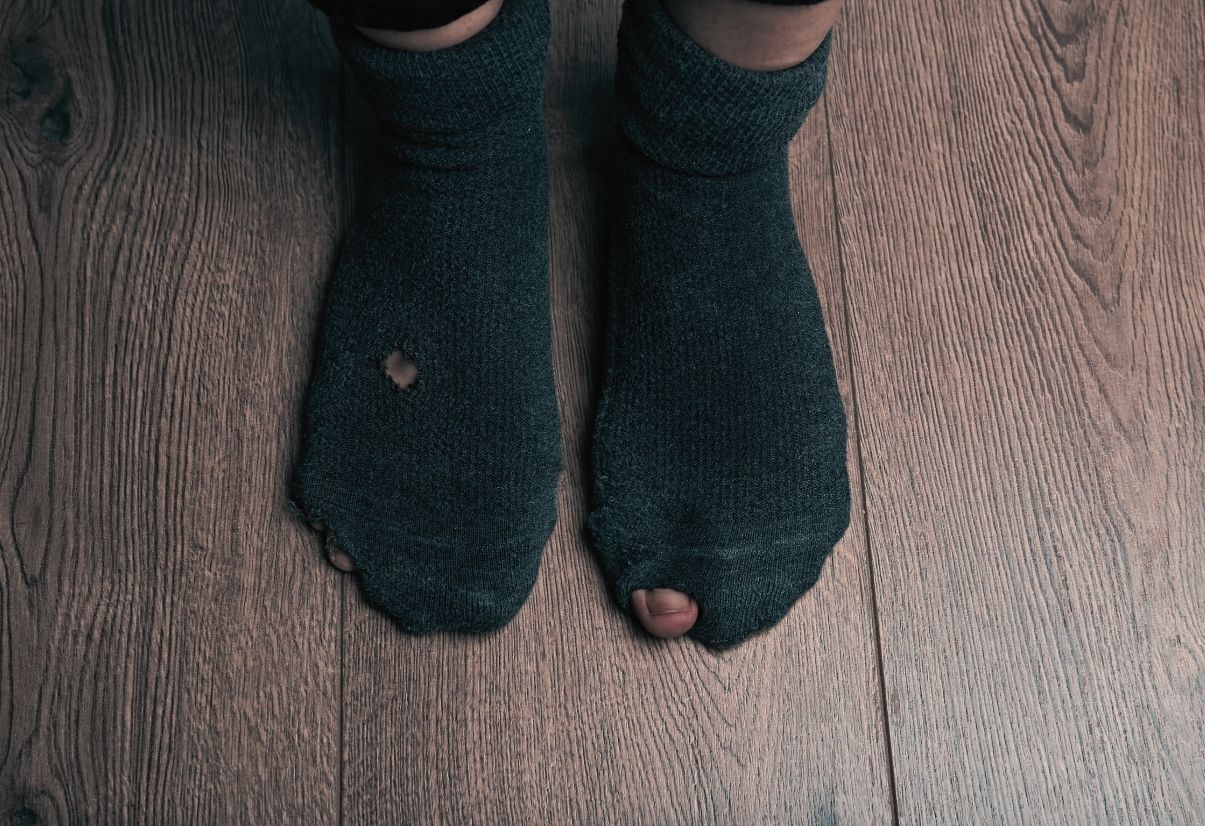
Wear and tear is the natural deterioration of an item as it ages and is used. This can happen because of: Age, regular use, exposure to weather or environmental conditions, or a lack of maintenance.
Because this type of damage happens gradually and is expected over time, insurers treat it as maintenance rather than an insurable event.
Vehicles
Motor insurance is designed to cover unexpected incidents such as accidents or theft. Insurance typically covers: Accident damage, theft, fire, and hail damage
However, it does not cover components that fail because they have reached the end of their lifespan. Examples include worn brake pads, clutch wear, tyre replacement, engine failure caused by age, or battery deterioration.
If a part fails because it is worn out, it is considered maintenance rather than an insurance claim.
Buildings and Roofs
For homes and buildings, insurance protects against sudden events such as storms or fires. Typical cover includes: Storm damage, fire, burst geysers, and sudden water damage.
However, insurers will usually decline claims for problems caused by poor maintenance or aging materials. Examples include roof leaks caused by aging, rusted roof sheets, cracked tiles that have deteriorated over time, or damp caused by failed waterproofing.
Regular inspections and maintenance are important to avoid these situations.
Electronics
Electronic items also have a limited lifespan. Insurance can cover events such as theft, accidental damage, fire, or certain power surge incidents depending on the policy.
What is not covered is the gradual decline that comes with regular use. For example, a fridge compressor that stops working due to age, a cell phone battery that no longer holds a charge, or a laptop battery that has deteriorated over time would normally be considered wear and tear.
These are regarded as part of the normal life cycle of electronic devices.
Commercial Properties
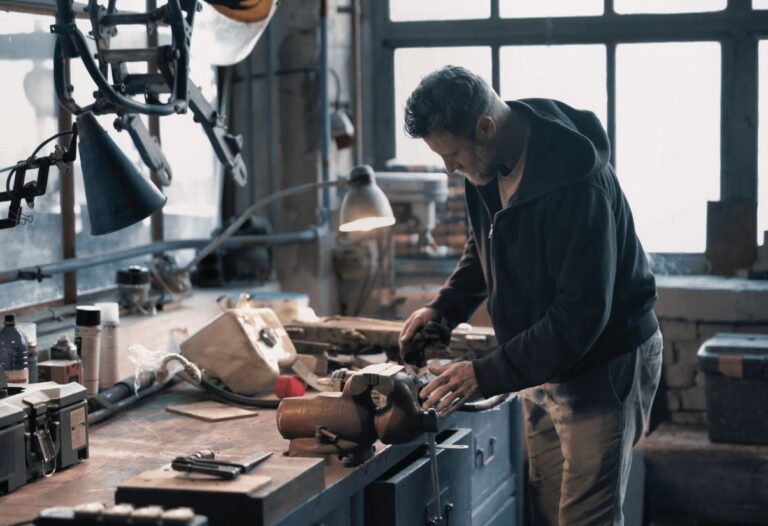
For businesses, wear and tear exclusions can apply to a wide range of assets. This may include machinery that fails because it has not been serviced, worn conveyor belts, aging refrigeration compressors, cracked flooring, or corroded plumbing.
Maintenance records are often important when claims are assessed. Without proper servicing, claims may be reduced or declined.
Why This Matters
Insurance exists to protect against sudden, accidental and unforeseen events. It is not intended to replace normal upkeep or maintenance. When an item reaches the end of its useful life, insurers will generally regard this as wear and tear rather than a claimable loss.
Protecting Your Assets
Regular maintenance helps ensure that assets remain in good condition and that insurance works as expected when an unexpected event occurs.
Practical steps include:
• Servicing vehicles regularly
• Inspecting roofs and buildings annually
• Maintaining waterproofing and drainage
• Keeping proof of maintenance and servicing
• Replacing aging equipment before it fails
Insurance plays an important role when something unexpected happens. Maintenance remains the responsibility of the owner.
Understanding the difference between the two can help avoid confusion and ensure you know exactly what your cover is designed to do.
Let’s Talk | View Schalk’s Profile
If you are unsure how this applies to your cover, it may be worth reviewing your policy.
This content is provided for general information purposes only and should not be considered financial advice. Please consult a qualified financial adviser before making financial decisions.