

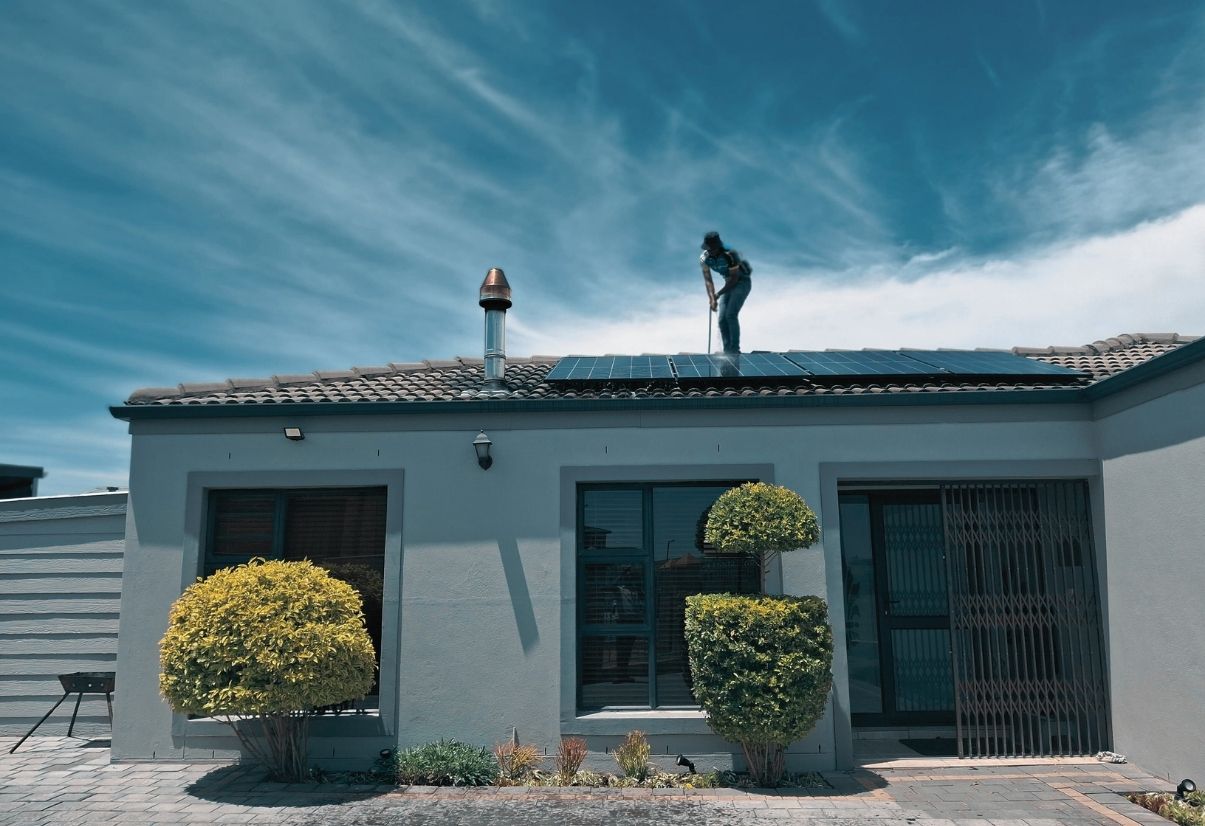
Many South African homeowners are upgrading their homes with solar systems, inverters, batteries, gas appliances and water tanks. These changes are often driven by load shedding, rising electricity costs and water supply concerns.
While these additions improve convenience and can add value to a property, they also have insurance implications that should not be overlooked.
Disclosure of home additions
Any permanent addition or upgrade to your home should be disclosed to your insurer through your broker. This includes solar panels, inverters, batteries, solar geysers, heat pumps, pressure pumps, water tanks and related systems.
These items increase the replacement value of the property. If they are not noted on the policy, they may not be covered in the event of loss or damage.
Insurers typically require the following:
• A valid Certificate of Compliance
• An invoice or valuation confirming the cost of the installation
Battery cover considerations
Backup batteries are generally covered for sudden and unforeseen loss or damage. However, normal wear and tear and gradual performance degradation over time are excluded under most policies.
Battery performance and lifespan are usually addressed through manufacturer or installer warranties rather than insurance cover. Homeowners should confirm warranty terms at the time of installation.
Installation and security requirements
Certain installations, particularly batteries and inverters, must meet specific installation and security requirements set by manufacturers and insurers.
These may include installation in a locked room, cage or approved enclosure. Failure to meet these requirements can result in reduced cover, higher excesses or claims being declined. It is advisable to confirm these requirements with your broker before installation.
Certificates of Compliance
Compliance certificates play an important role in insurance cover and claims.
• A Gas Certificate of Compliance (COC) is required for gas geysers, gas stoves and gas fireplaces.
• An Electrical Certificate of Compliance (E-COC) is recommended every two years and is required after any electrical alteration, including solar or inverter installations.
• A Plumbing Certificate of Compliance (PCOC) may be required for major plumbing changes, new geysers, water tanks and pumps as well as solar or heat pump geysers.
These certificates confirm that installations meet safety and regulatory standards and are often requested when a claim is submitted.
Key points to remember
Any addition or modification to your home should be disclosed and properly documented.
• Notify your broker of changes
• Submit relevant certificates and invoices
• Ensure your cover accurately reflects your property
Let’s Talk | View Schalk’s Profile
If you are unsure whether an upgrade needs to be disclosed, contact us to review your cover before a loss occurs.
This content is provided for general information purposes only and should not be considered financial advice. Please consult a qualified financial adviser before making financial decisions.